About Me
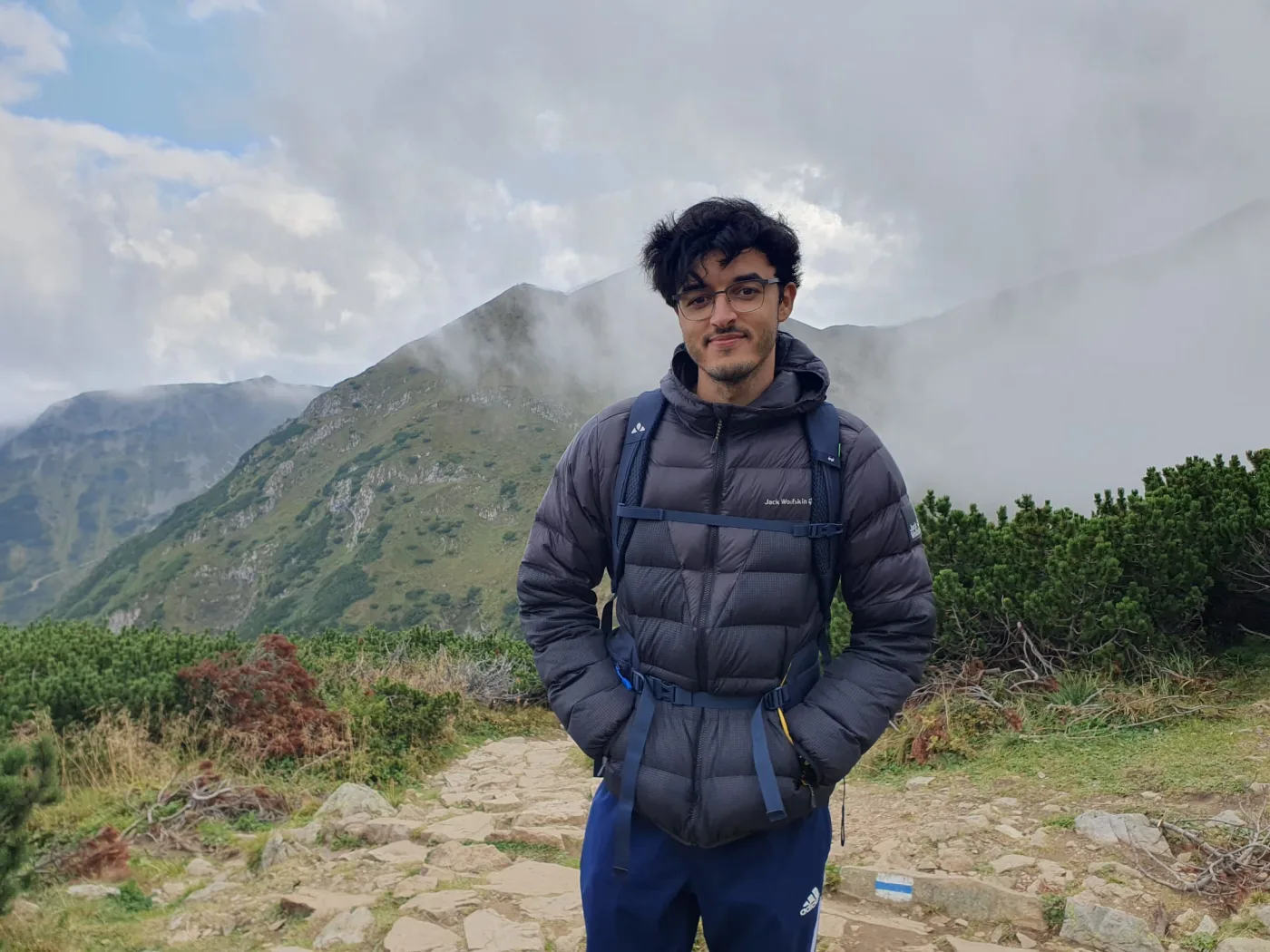
Hi, I'm Léon 👋
Mainz — where it started
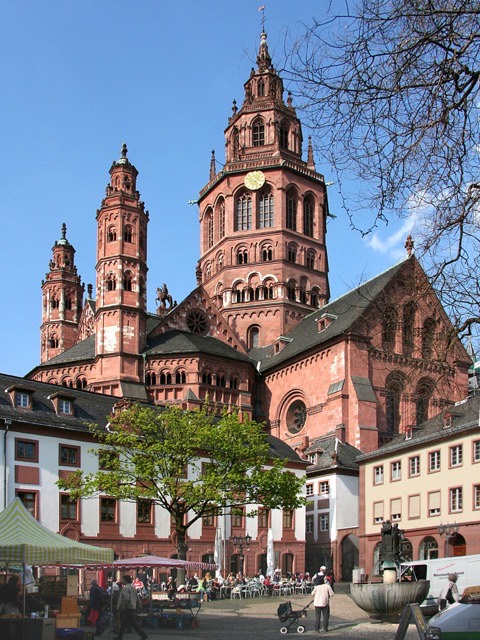
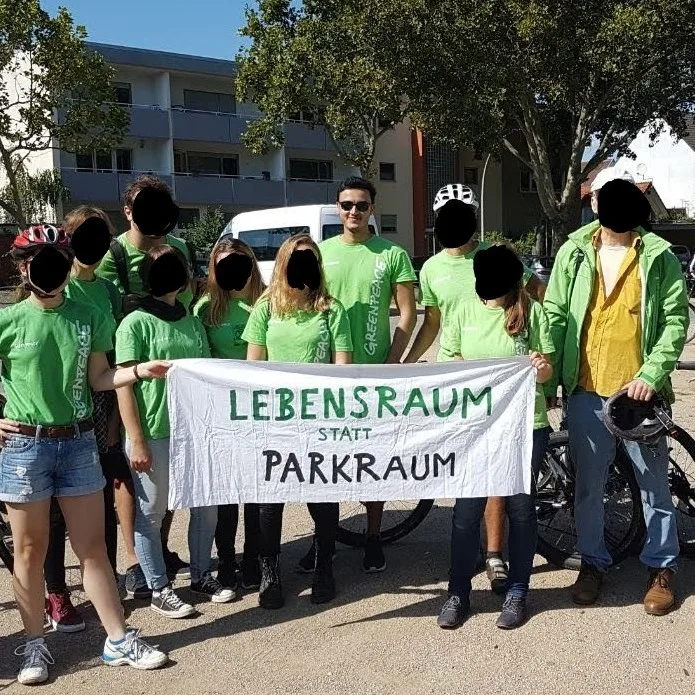
Born and raised in Mainz, I wanted to understand early on how the systems around us work. That's why I spent two semesters studying Economics, even though deep down I already knew my heart belonged to technology and software. The interest was never purely academic: with Greenpeace I marched in climate protests and served as the local group's contact person for biodiversity. After two semesters I admitted to myself that the tools behind the systems pulled me in more than the theory: models, data, code. So I switched tracks.
Berlin — learning by building
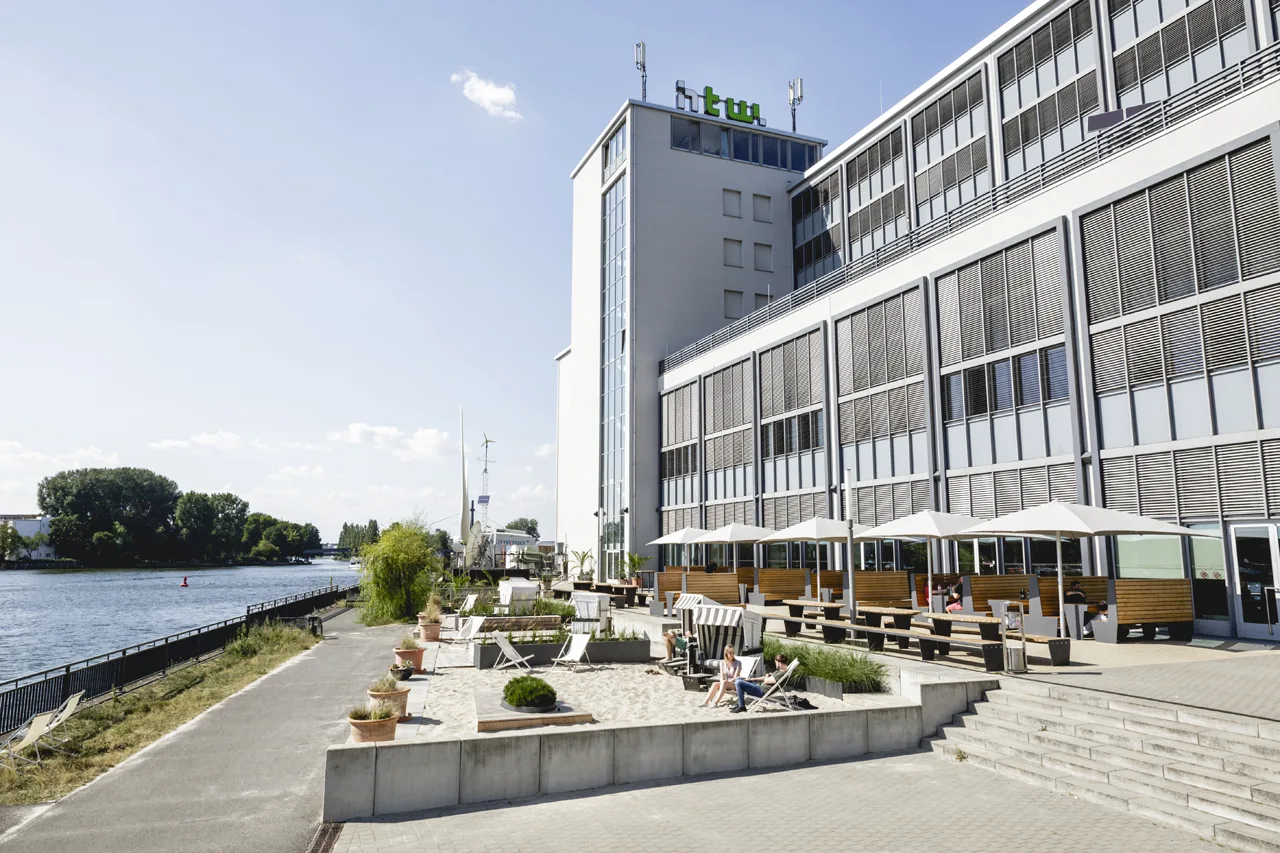
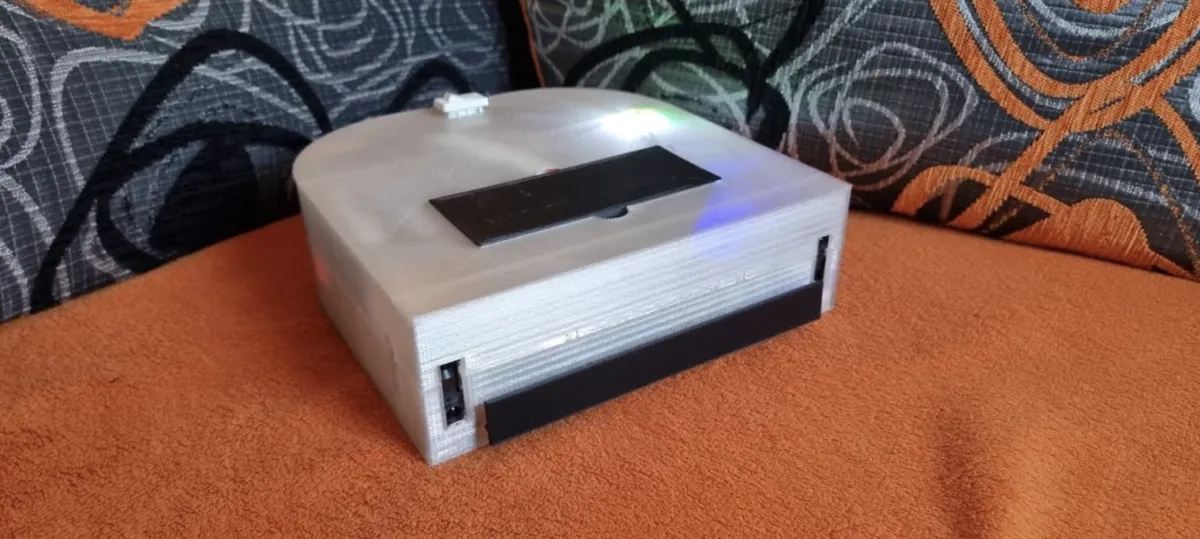
I moved to Berlin for my degree: Computational Engineering at HTW, a mix of 60% computer science, 20% mechanical and 20% electrical engineering. Then the pandemic hit and suddenly everything was online. The university wasn't prepared, and making friends wasn't easy at first. Eventually I found my people to get through the digital semesters with, and realized along the way how much I burn for computer science. After two semesters came my first job: web developer in the university's executive office, on the team introducing HTW's new campus management system. On the side I built a vacuum robot and a voice-controlled model factory, both awarded as the year's best student contributions.
Fraunhofer — two years of shipping
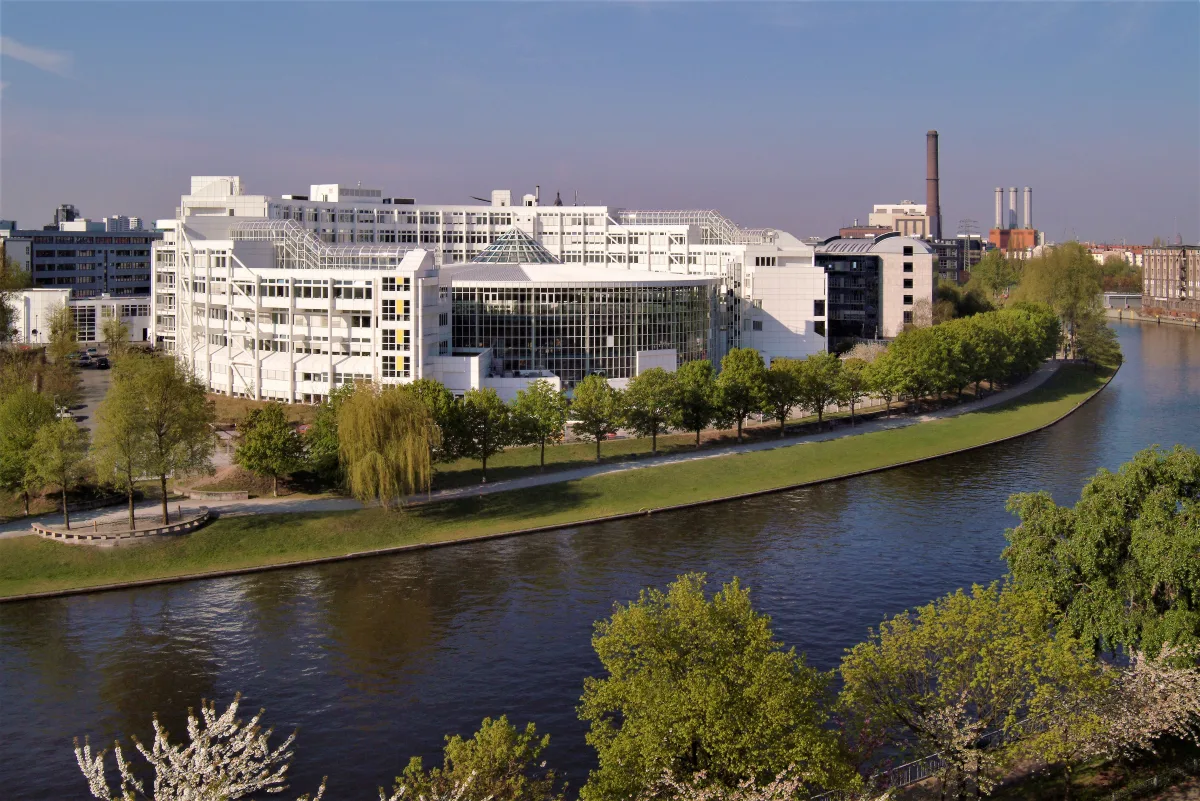
In my fifth semester I joined Fraunhofer IPK as a working student and stayed for over two years. I learned the MERN stack there, built on the 'Process Assistant' in a Scrum team, developed a RAG chatbot over the Battery Pass documentation, and cut backend runtime by 60–70% with a caching layer. The project that shaped me most was the first prototype of the EU Digital Product Passport for traction batteries, an initiative meant to bring transparency into the EV battery supply chain from 2027 on. That's where I got to take on real responsibility: my bachelor thesis became the proof of concept, demonstrated end-to-end with a Lego value chain.
Humboldt — deeper into AI
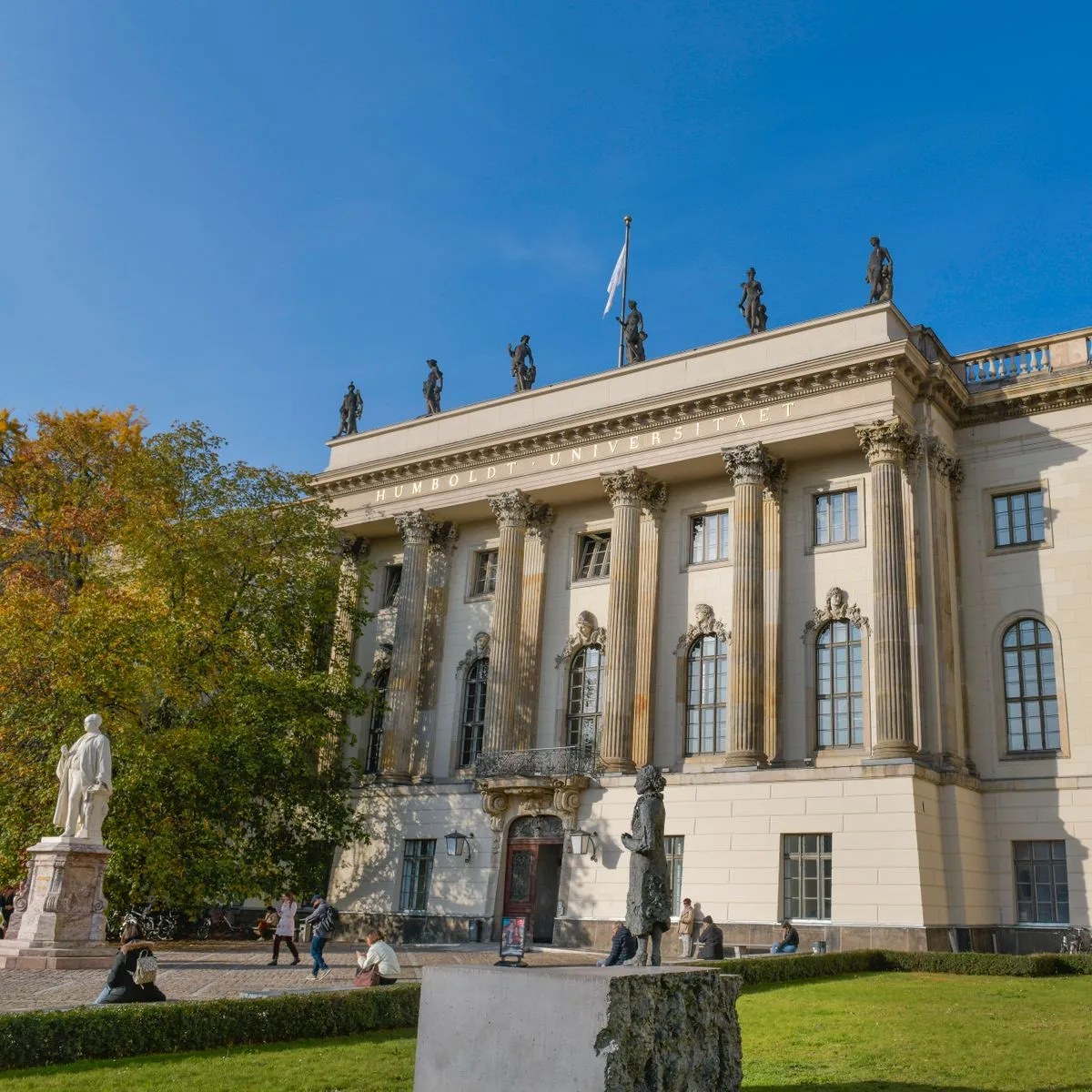
After the bachelor's it was clear: I wanted to go deeper into AI. In the Computer Science master's at Humboldt University I focused on machine learning, process mining, computer vision and above all NLP. NLP properly grabbed me. I caught myself reading papers about transformers and language models at 2 a.m., not for a grade, but because I wanted to understand how these models actually work. That's when I knew my professional future lies in this field.
Barcelona — the Erasmus semester
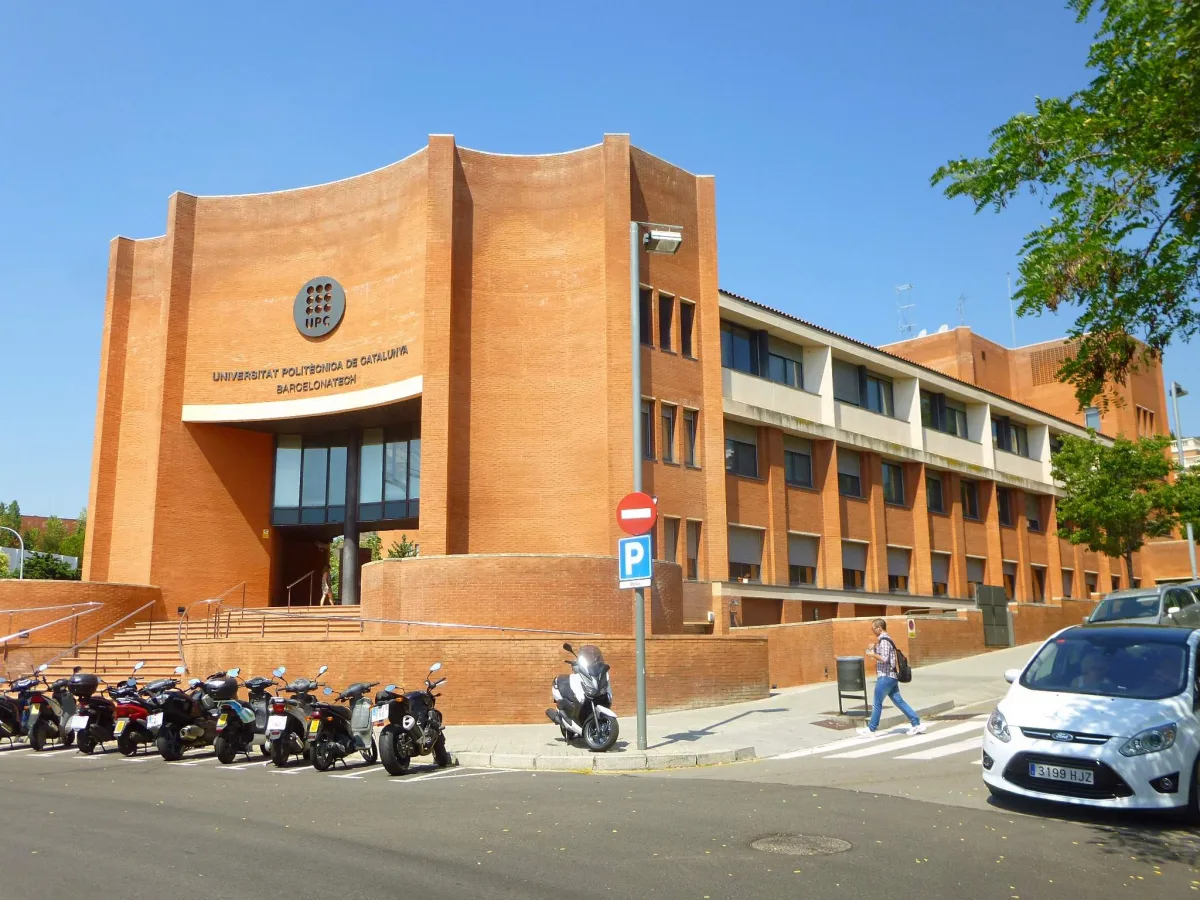
To push my knowledge further, I went to UPC Barcelona for an Erasmus semester: semantic parsing, word embeddings, multi-agent systems, transformer architectures. It was also the first time I took a serious look at the ethical challenges around large language models. And it's a city that makes it easy to think about something other than attention mechanisms between two lectures.
Vienna — today
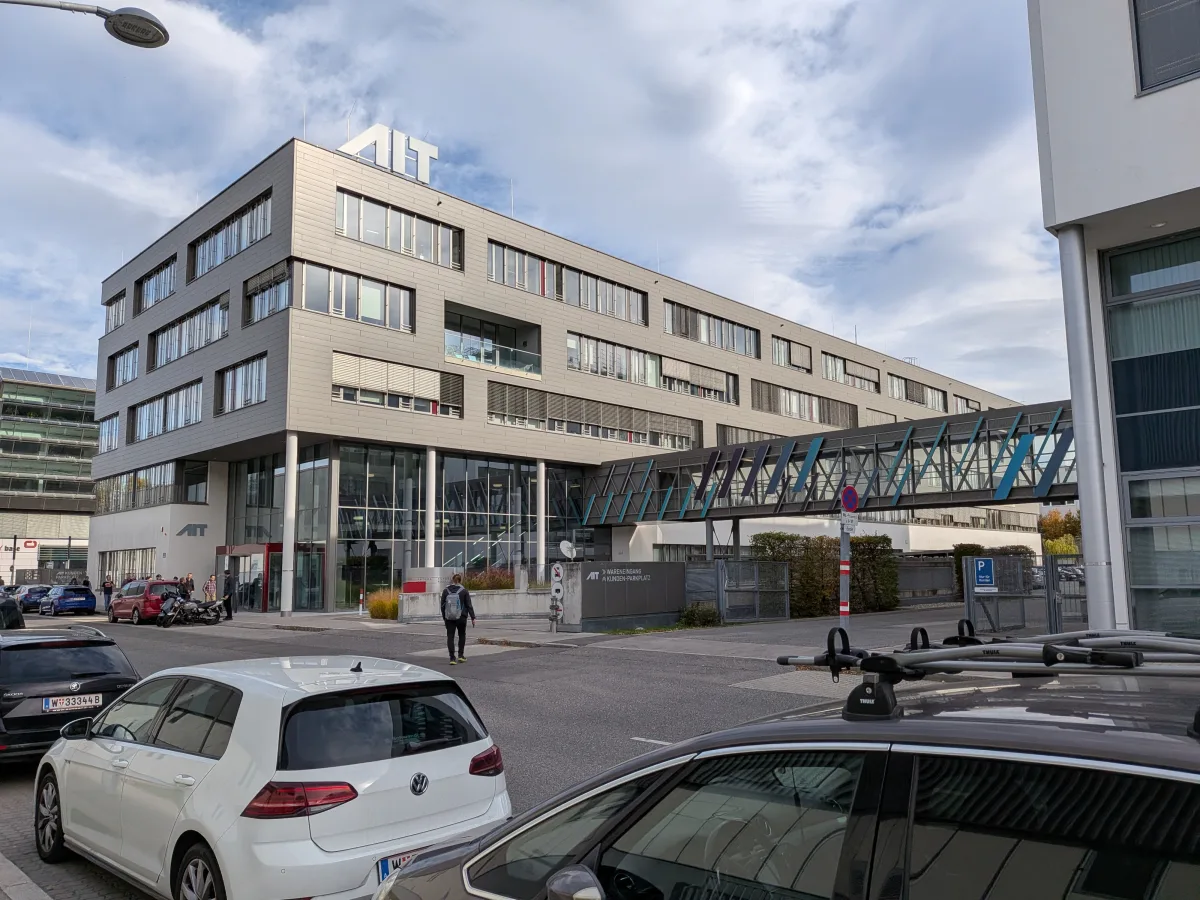
My master's thesis brought me to the AI Task Force at the AIT Austrian Institute of Technology in Vienna. I built production AI systems there: an enterprise RAG chatbot for quality-management documents that runs fully on-premise and has since been selected for company-wide rollout, a multi-agent pipeline that generates bilingual fine-tuning datasets from company policies, and a tool that converts PDFs into RAG-ready Markdown via vision LLMs — the very infrastructure I evaluated my 'Patch-and-Route' continual-learning framework against, the core of my thesis. Since August 2026 I've been a Fullstack Engineer on the .NET, Cloud & AI team at the Österreichische Apotheker-Verlagsgesellschaft (ApoVerlag), building software used daily across Austria's pharmacies. My goal: to keep pushing the limits of what language models — and the systems around them — can do in practice.