My Projects
This section showcases my university and personal projects in AI, machine learning, and software engineering.
Some of my most technically challenging work was done in a professional context — at Fraunhofer IPK and at AIT — but since that work is the intellectual property of those organizations, it is covered in the experience section rather than here.
Learn more about the BatteryPass project here.
This portfolio focuses on my academic and personal projects, each reflecting my passion for building practical AI solutions and exploring modern technologies.
Current Projects
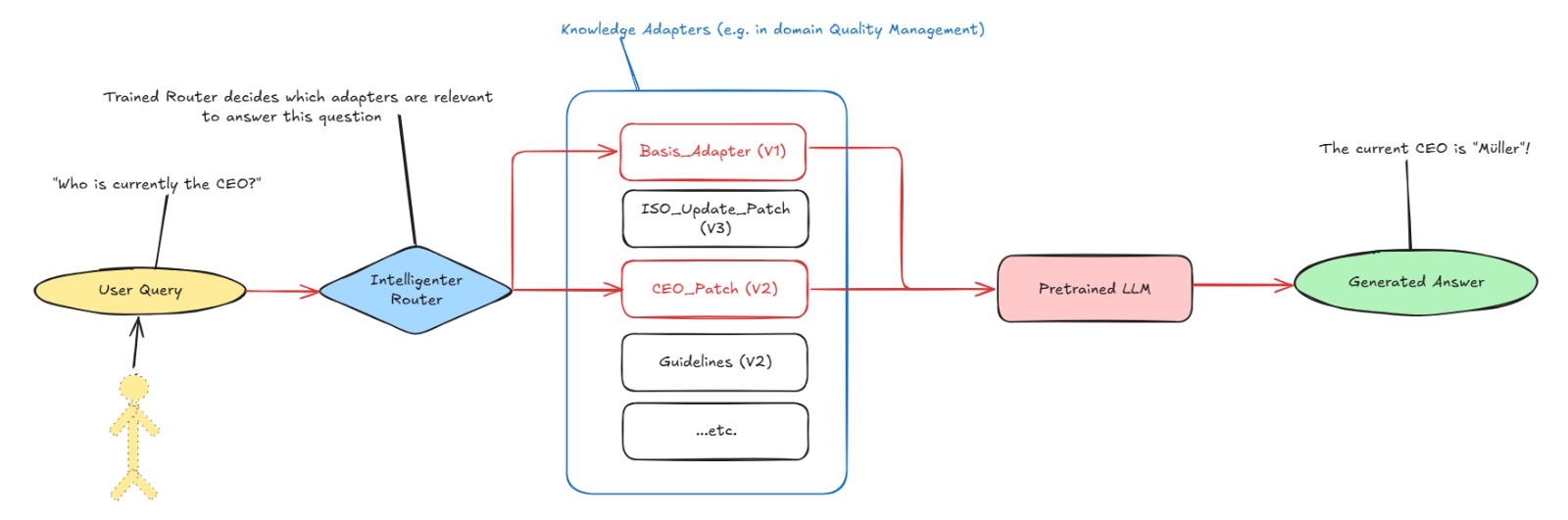
Master Thesis: A Modular 'Patch-and-Route' Framework for Continual Learning in Enterprise LLMs
This thesis tackles a fundamental problem in deploying LLMs in enterprise settings: how to integrate evolving, domain-specific knowledge without catastrophic forgetting. Standard fine-tuning methods overwrite general knowledge with new information, while existing parameter-efficient approaches like LoRA still cause interference between old and new facts. The proposed 'Patch-and-Route' framework draws on cognitive science — treating knowledge updates not as destructive overwrites, but as discrete Knowledge Patches combined with a dynamic routing mechanism that inhibits outdated knowledge paths rather than erasing them, mirroring how humans re-route rather than delete disproven associations. The architecture consists of three components: a frozen base LLM, an Expert Pool of LoRA adapters (large Base Adapters for domain corpora and small Knowledge Patches for specific updates), and a two-level routing system with manual domain selection and an Intelligent Dispatcher. Two routing strategies are evaluated: Time-Aware Centroid Routing (embedding-based, with RAG-based source replay for conflict resolution) and a Parallel-Orchestrator Architecture (ensemble inference with an LLM synthesis agent for ambiguous queries). The framework is benchmarked against monolithic LoRA, LoRA+RAG, X-LoRA, and RECIPE on SituatedQA, CounterFact, and a proprietary enterprise QM corpus, measuring conflict resolution accuracy, catastrophic forgetting rate, and computational efficiency.
Technologies Used
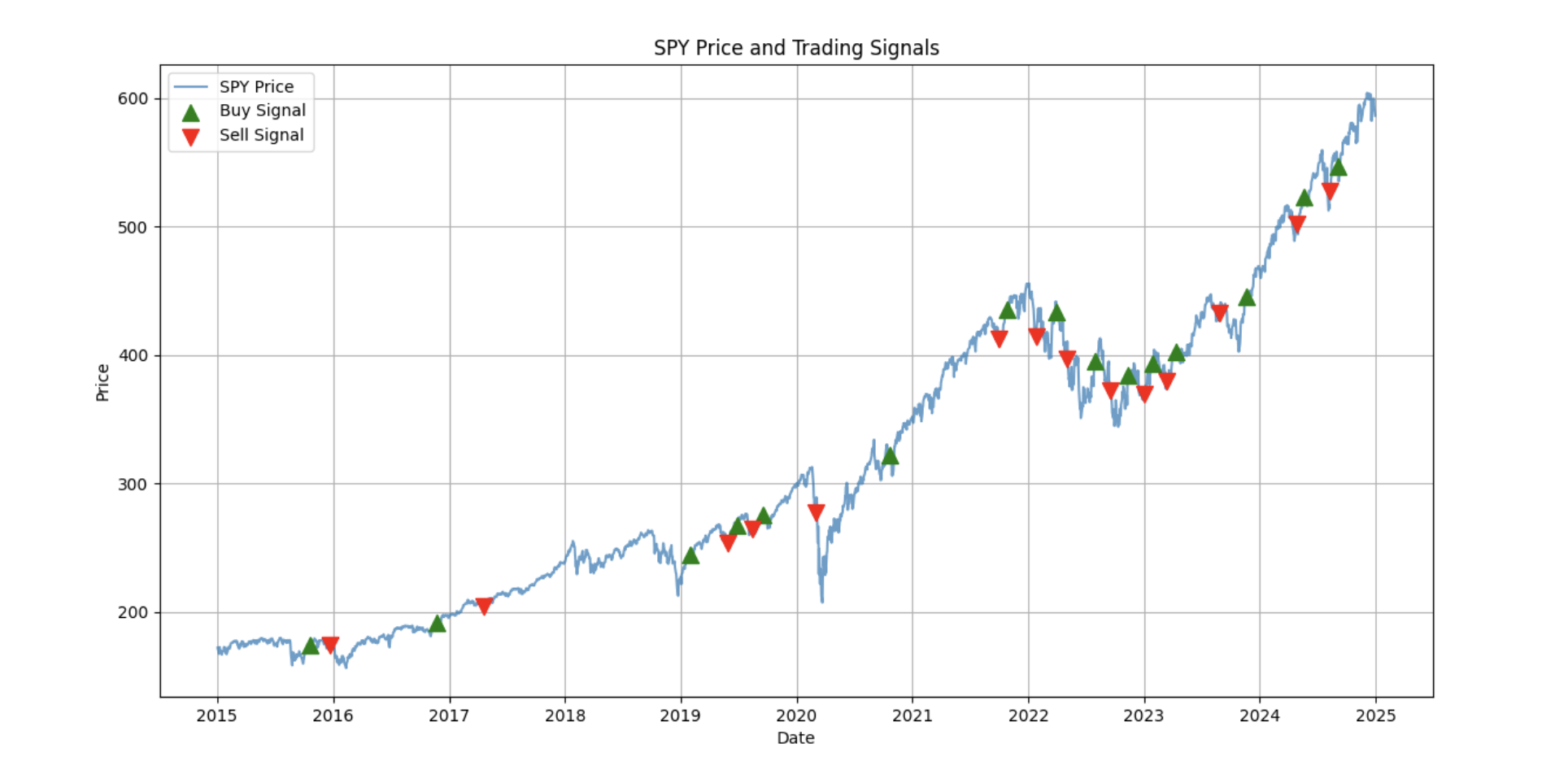
Project Medallion: Quantitative Trading Engine
Inspired by the legendary success of Renaissance Technologies' Project Medallion, this project aims to develop a quantitative trading engine from the ground up. The core of the project is to use statistical models and machine learning to identify and exploit short-term, non-random price movements and other market inefficiencies. Starting with historical market data and simple factor-based strategies, the system will be incrementally enhanced with alternative data sources (e.g., sentiment analysis, satellite imagery concepts) and more sophisticated ML models. The entire process, from data ingestion and cleaning to strategy backtesting and performance evaluation, is being built with a focus on modularity following a scientific methodology.
Technologies Used
Past Projects
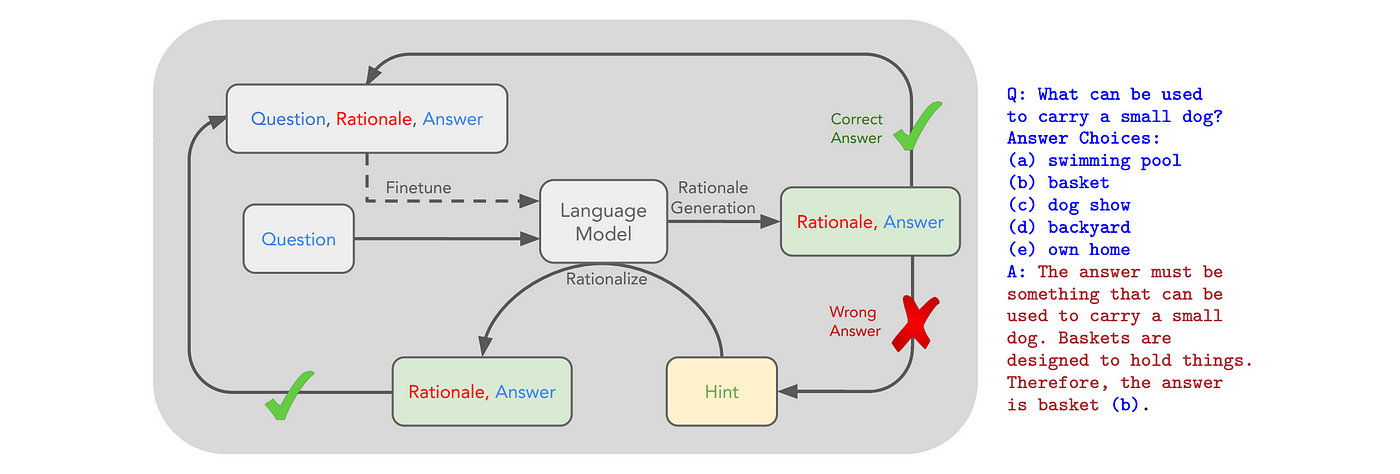
Study Project: Robustness and Reasoning in Small Language Models
This study project investigates the effectiveness of reasoning-enhancement techniques (e.g., advanced prompting, multi-stage finetuning, and the hybrid STaR method) on a 1-billion parameter language model, comparing its performance against a larger 3B model. The research demonstrates that with the right approach—specifically by finetuning on a mixed dataset and applying Plan-and-Solve prompting—a 1B model can significantly outperform its larger counterpart on complex reasoning tasks like GSM8K. The project concludes that the success of these techniques is highly dependent on the model's pre-training and the specific task, highlighting a path to creating smaller, yet highly capable language models.
Technologies Used
Project Links
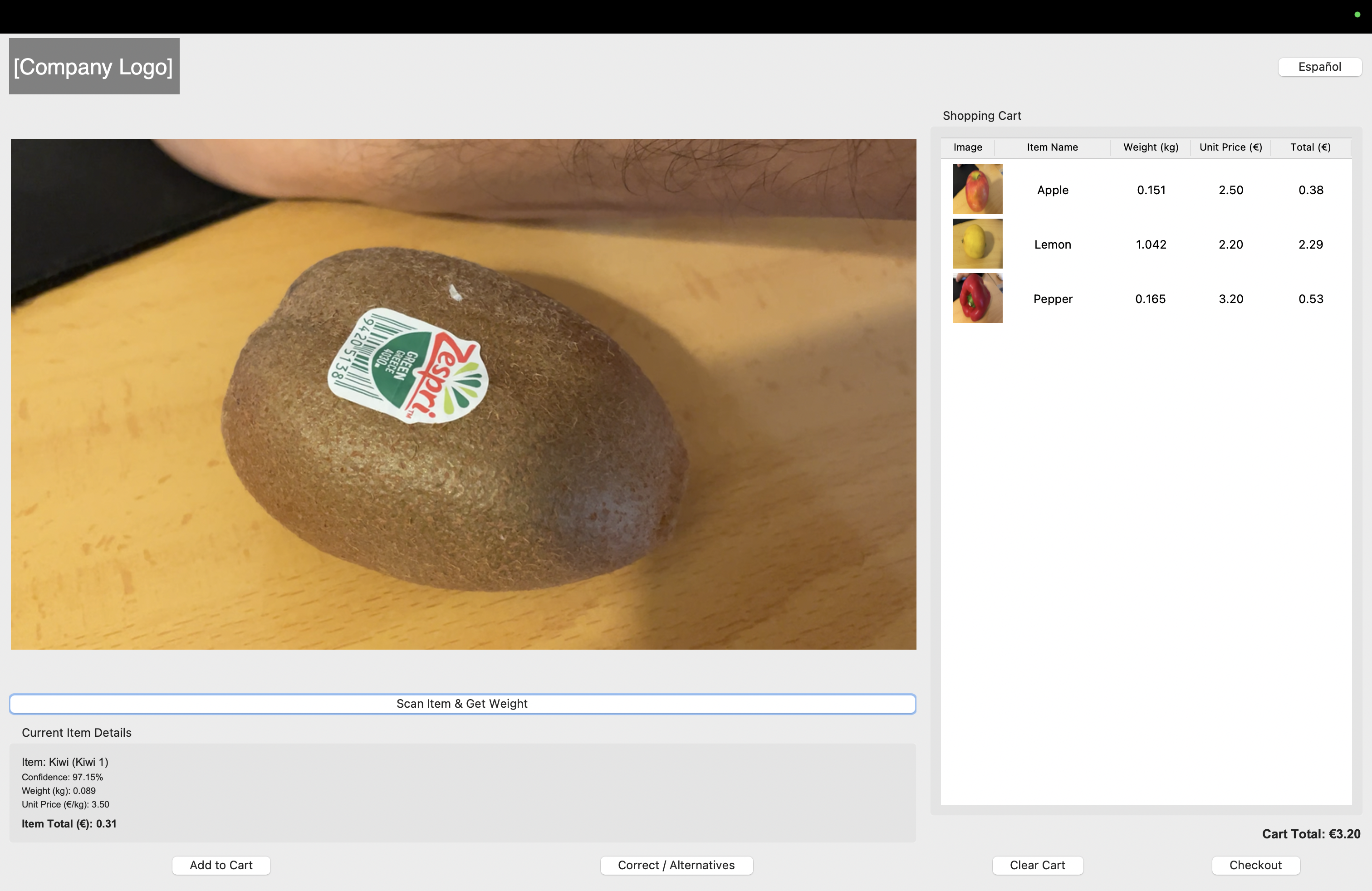
Automatic Fruit and Vegetable Detection System
This project implements a real-time fruit classification system using a deep learning model (MobileNetV2) and a webcam. Its key feature is an interactive feedback loop that allows users to correct misclassifications. This feedback is collected to augment the dataset, enabling the model to be retrained and continuously improved. The system also features background augmentation to enhance generalization from the Fruits-360 dataset to real-world scenarios.
Technologies Used
Project Links
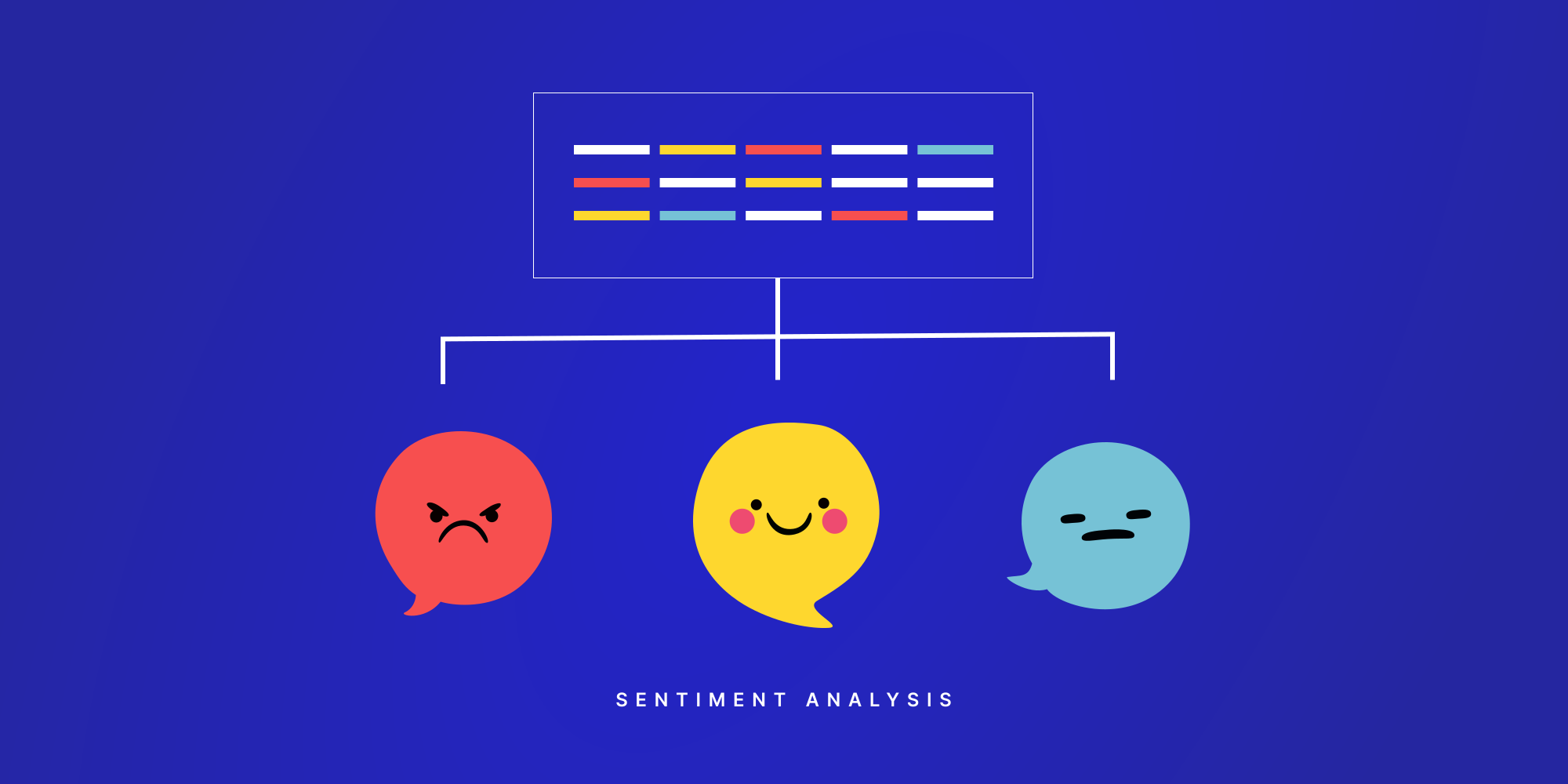
Movie Sentiment Analysis
This project implements a sentiment analysis pipeline for movie reviews using Word2Vec embeddings, a Noise Robust Learning technique, and a FastText-based neural network classifier. The goal is to classify movie reviews based on their text content as either positive or negative.
Technologies Used
Project Links
Cognitive Robotics CNN Competition (Kaggle)
Achieved second place in a Kaggle competition focused on image classification. The project involved designing, training, and fine-tuning a Convolutional Neural Network (CNN) to achieve a high accuracy score (Public: 0.937, Private: 0.928).
Technologies Used
Project Links
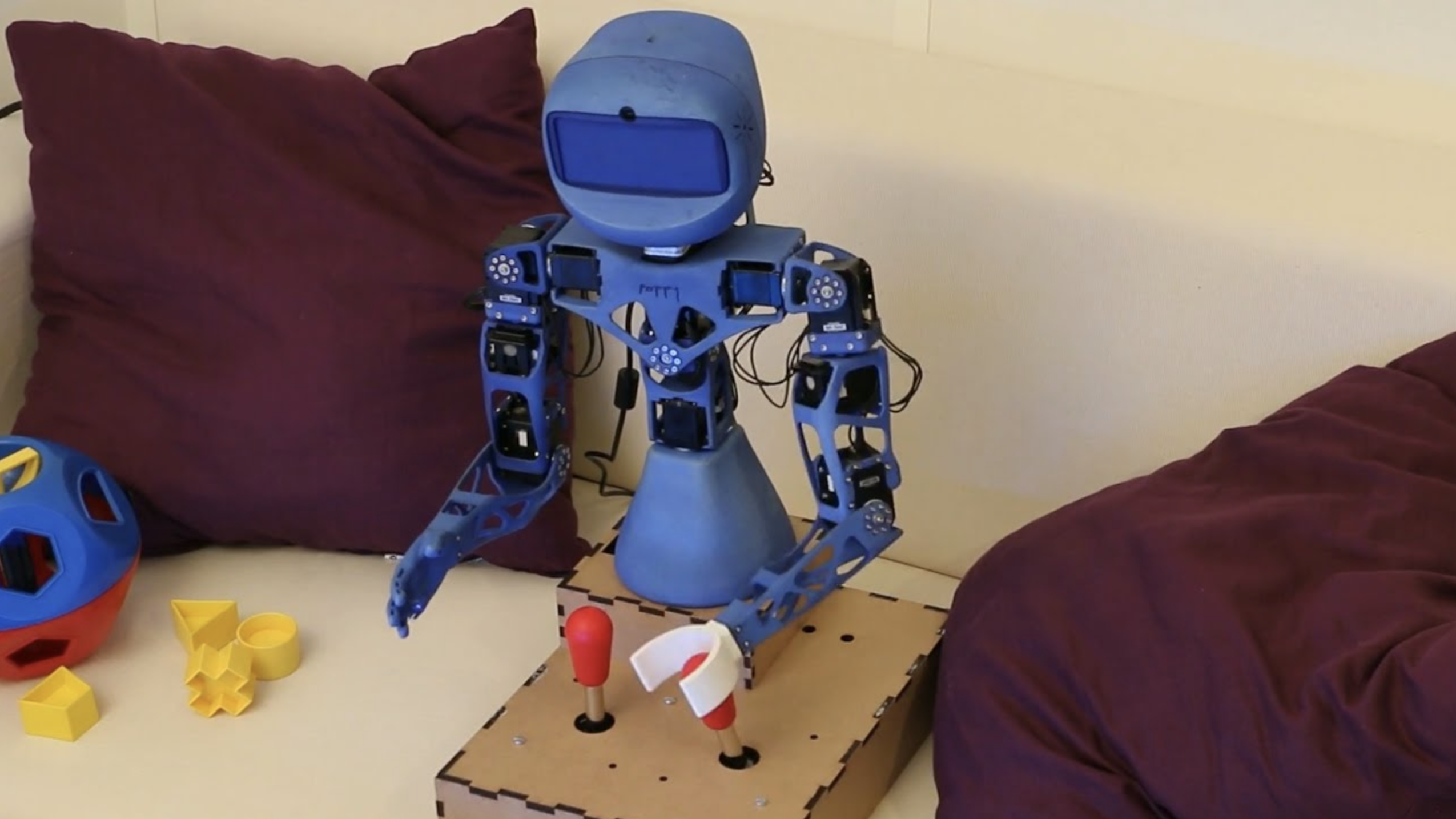
Hierarchical Learning for Tool Use in Robotics
This project simulates a 2D environment where robotic arm tools interact with various objects. The simulation includes elements like grip arms, sticks, and magnets, designed to explore intrinsic motivated learning and tool use in a controlled setting for a Machine Learning in Robotics seminar.
Technologies Used
Project Links
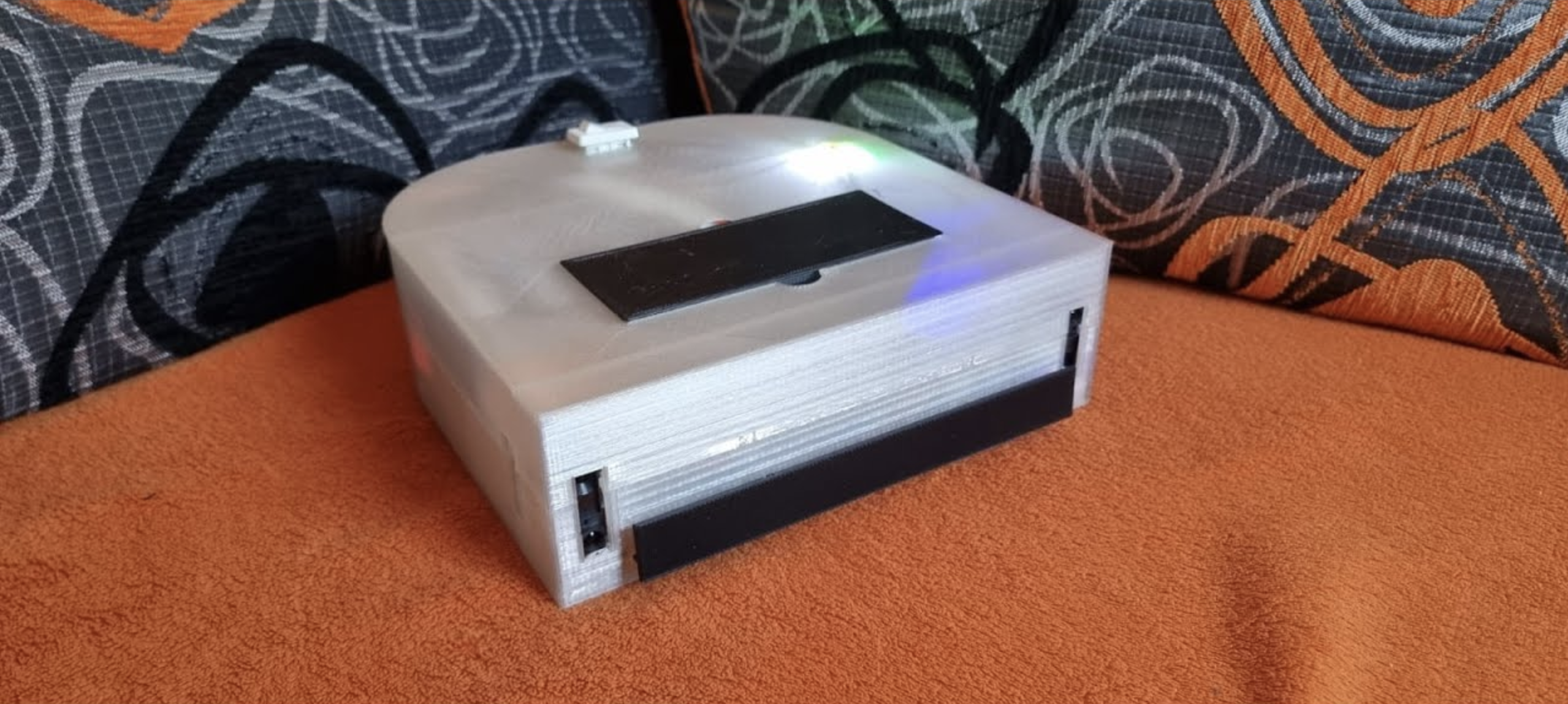
Self-built and Programmed Vacuum Cleaner Robot
In a team of four, we divided the tasks of construction, programming, and testing to create a customizable, self-sufficient vacuum cleaner. I was primarily responsible for the software development, ensuring the vacuum cleaner's efficient navigation and obstacle avoidance.
Technologies Used
Project Links
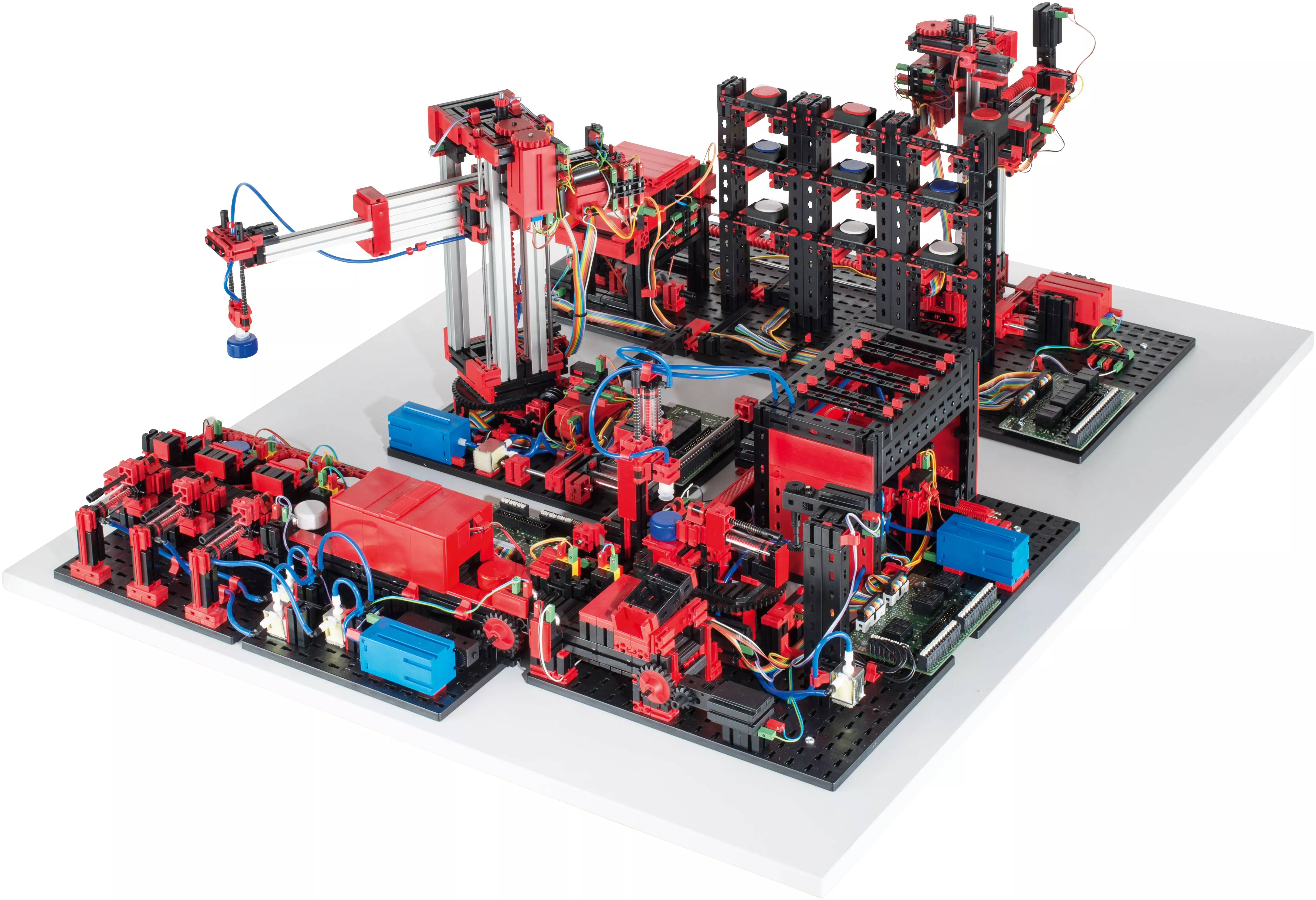
Voice control system for a model factory
Our team developed a speech control system for controlling a model factory as part of a collaborative project with PI-Informatik. I was instrumental in the development of designing the GUI, implementing the speech recognition, and the integration with the Raspberry Pi.
Technologies Used
Project Links
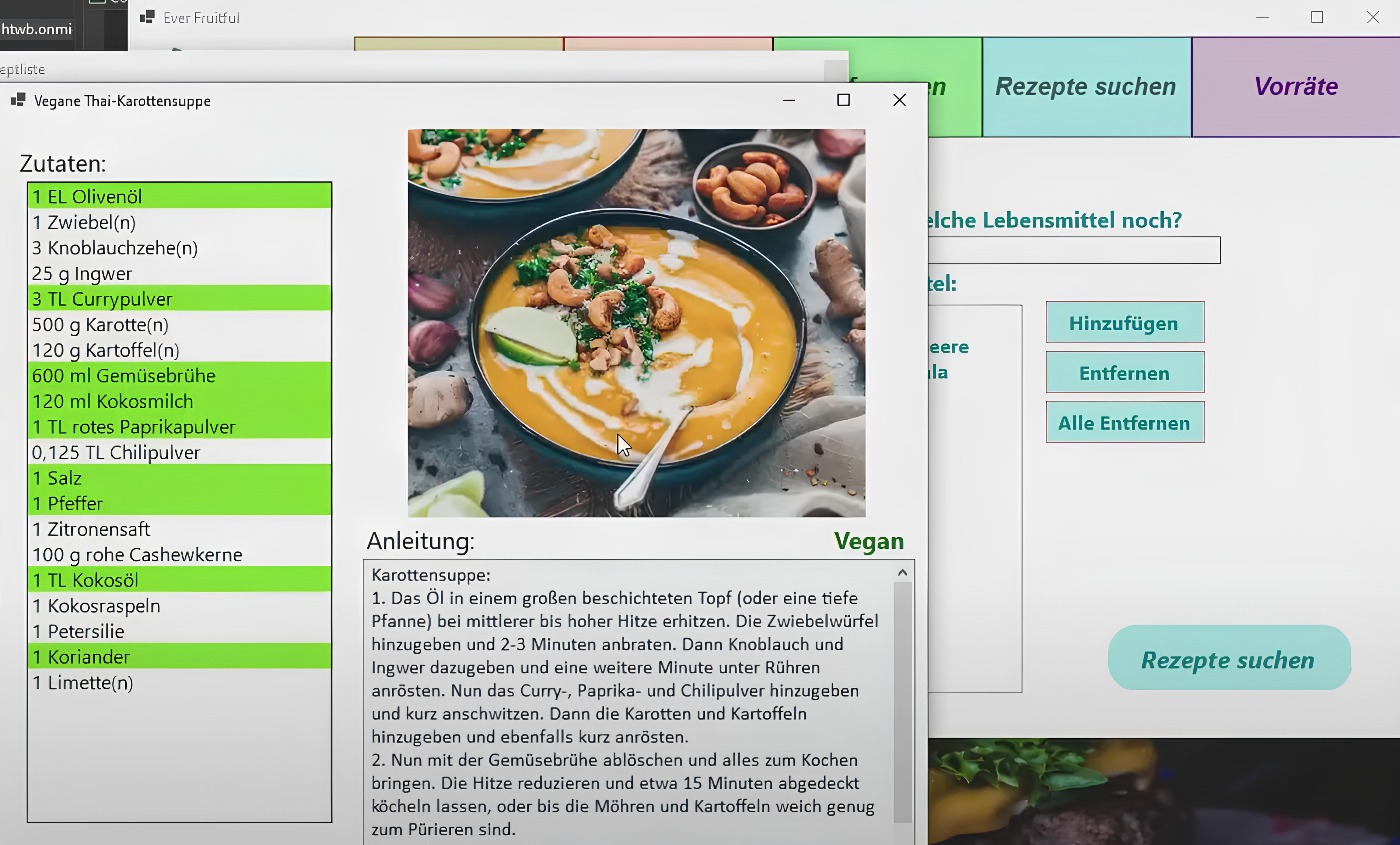
Windows Forms application for leftover food recycling
My first software project: Collaborated with two fellow students to create a recipe generator that transforms leftovers into new meals. The repository link is unavailable as I've lost my old university credentials.
Technologies Used
Project Links
Interested in collaborating or want to learn more?
Contact Me on LinkedIn